Wondering which part of Media fits the way you actually want to live? In a borough this compact, a few blocks can change your daily routine in a big way. If you are comparing walkability, parking, green space, or commute options, it helps to understand how Media’s small footprint creates very different neighborhood experiences. Let’s dive in.
Why Media Feels Different
Media Borough packs a lot into just 0.8 square miles. According to the 2020 Census, the borough had 5,901 residents and 3,105 housing units, which helps explain why it feels active, established, and closely connected.
The borough describes itself as a walkable place with brick sidewalks, tree-shaded streets, a trolley on the main street, and a central shopping district where parks, the library, houses of worship, and theater are within walking distance. Planning materials also note that the street grid is tight and that much of the borough sits within a 10 to 15 minute walk of State and Jackson.
That means choosing the right Media neighborhood is often less about distance and more about lifestyle. In a small, built-out borough with limited room for new development, the feel of each block matters.
Three Media Areas Buyers Compare
Most buyers looking in Media end up comparing three general settings. These are not formal neighborhood names in every case, but they are helpful ways to think about how different parts of the borough live day to day.
Downtown State Street Core
If your goal is to live in town, the blocks closest to State Street usually offer the strongest match. State Street is the borough’s center for shopping, dining, and events, and it gives this part of Media its most urban feel.
You may be able to do more of daily life on foot here. The tradeoff is that parking tends to be more managed, and homes in these in-town blocks may place less emphasis on large lots, private driveways, or extra curb flexibility.
The borough’s parking system reflects that density. State Street and the blocks immediately north and south fall into Zone 1 for permit purposes, and the borough also offers the first 10 minutes of parking free in parts of the State Street District through its app.
Park-Adjacent Residential Pockets
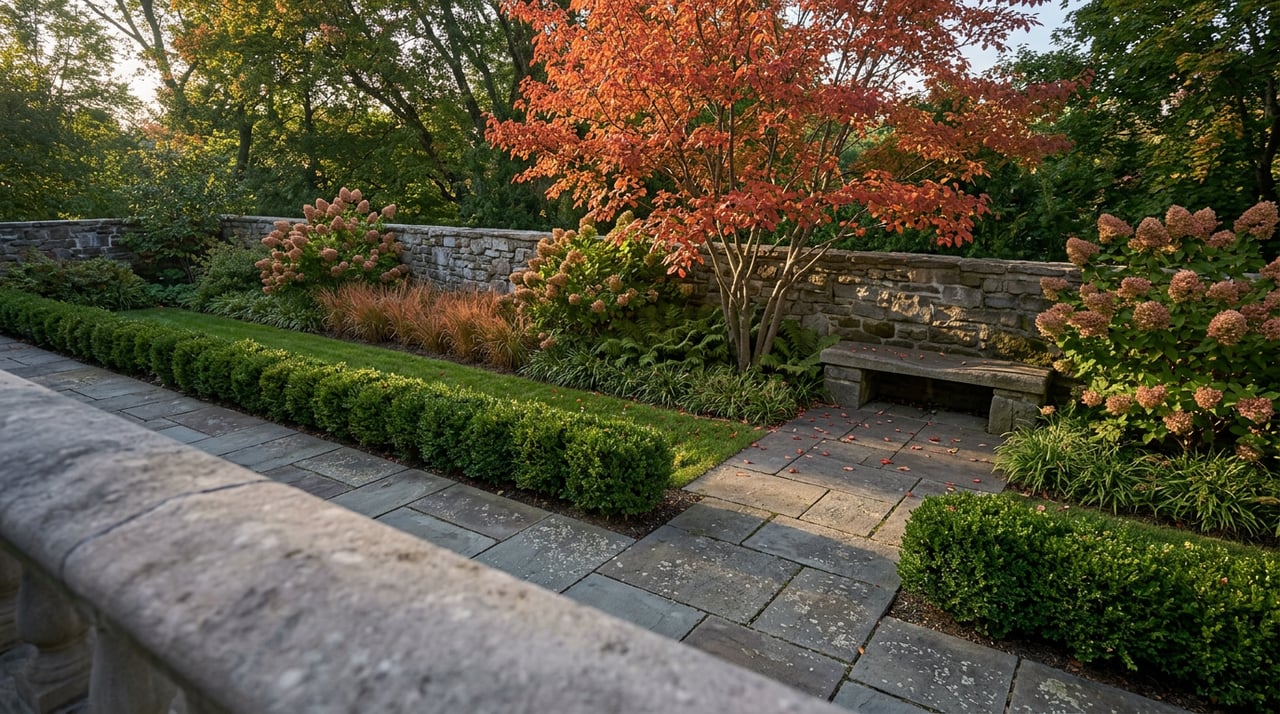
If you want a residential setting with easy access to green space, Media has several areas that stand out. The borough identifies Glen Providence Park, Heritage Park, Philip Green Park, Manchester Park, Barrall Community Park, and Dimond Park as part of its local park system.
Homes near these spaces often appeal to buyers who want a little separation from the commercial core while still staying inside the borough. The feel can be more buffered and low-key, especially when your block is shaped more by a park edge than by storefront activity.
This option also fits buyers who value sidewalks, outdoor space, and neighborhood strolling. Media’s open-space planning shows a focus on connecting parks, sidewalks, and bike routes into a more continuous network.
Car-Access and Commute-Friendly Edges
Some buyers care most about getting in and out of town with ease. If that sounds like you, it makes sense to look closely at homes near Baltimore Pike and the borough’s main access corridors.
The borough’s directions page places Media near I-476, Route 1, Route 252, and Route 352. For many drivers coming from Philadelphia or points north, the standard route is to exit I-476 at Media/Swarthmore and follow Baltimore Pike into town.
These edge locations can be practical if your routine is built around driving. At the same time, you are still close enough to benefit from Media’s transit options, including the Media/Wawa Line, trolley service, and local bus routes.
How to Match the Area to Your Lifestyle
The best Media neighborhood is the one that supports your everyday habits. A beautiful home can still feel off if the block works against the way you commute, park, or spend your free time.
Choose Downtown if Walkability Comes First
If you want coffee, dinner, events, and errands to feel close at hand, downtown-adjacent blocks deserve a hard look. This is where Media’s compact design really shines.
The borough notes that Media Station is about 0.2 miles from downtown Media, and the Route 101 trolley also reinforces the area’s connected feel. In fact, the borough says Media is the last suburban town in America with a trolley running down the main street.
For many buyers, that convenience is worth the tradeoffs. Just be realistic about parking, guest access, and the fact that an in-town block may feel busier than a purely residential street.
Choose Park Areas for a Softer Residential Feel
If you like the idea of being in Media without being right in the center of the action, park-adjacent pockets may feel more balanced. These areas can offer easier access to trails, open space, and neighborhood parks while keeping the borough’s shops and transit within reach.
This can be a smart fit if you want a quieter home base but still value the convenience of the borough. In a place as compact as Media, you often do not have to choose between residential feel and access to town.
Choose Edge Locations for Driving Ease
If your week revolves around commuting by car, school drop-offs, client meetings, or frequent regional travel, edge locations can simplify everyday movement. You may prefer easier access to Baltimore Pike or a quicker route toward I-476 and other major roads.
That does not mean giving up the benefits of Media. SEPTA describes the Media/Wawa Line as running between Center City Philadelphia, Swarthmore, Media, and Wawa, and Moylan-Rose Valley Station is about 0.8 miles from downtown.
Housing Style Matters in Media
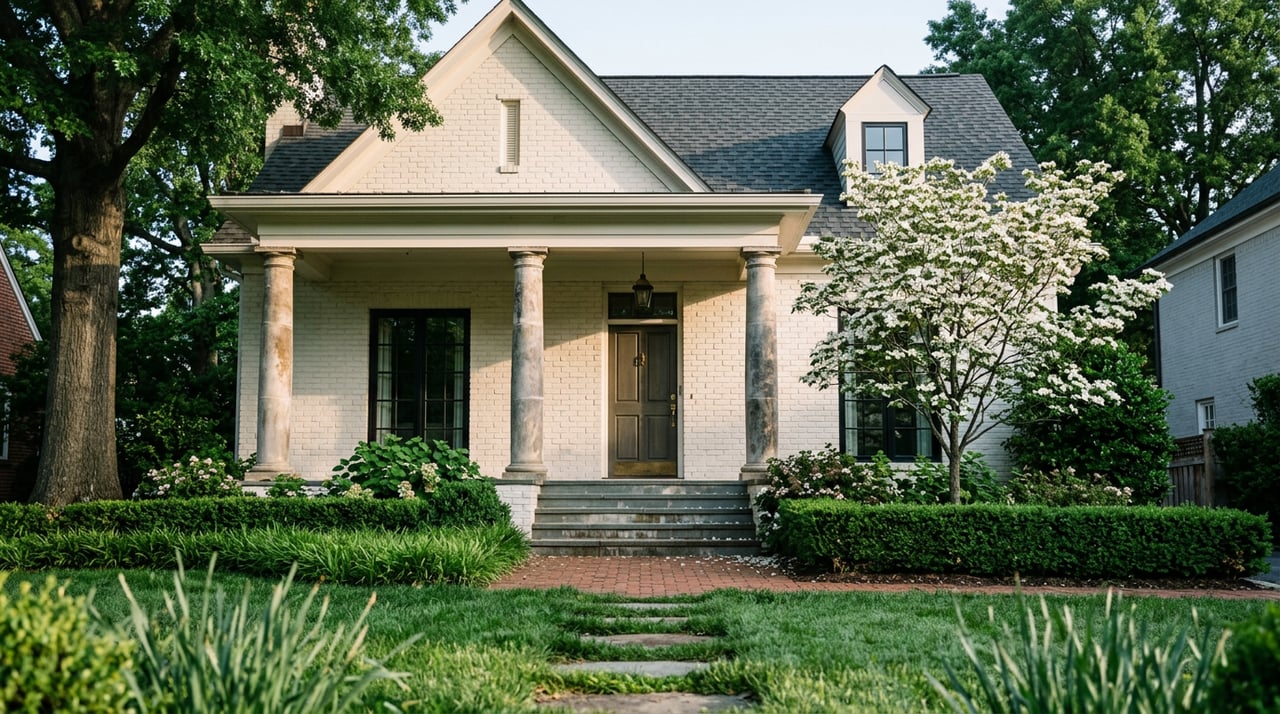
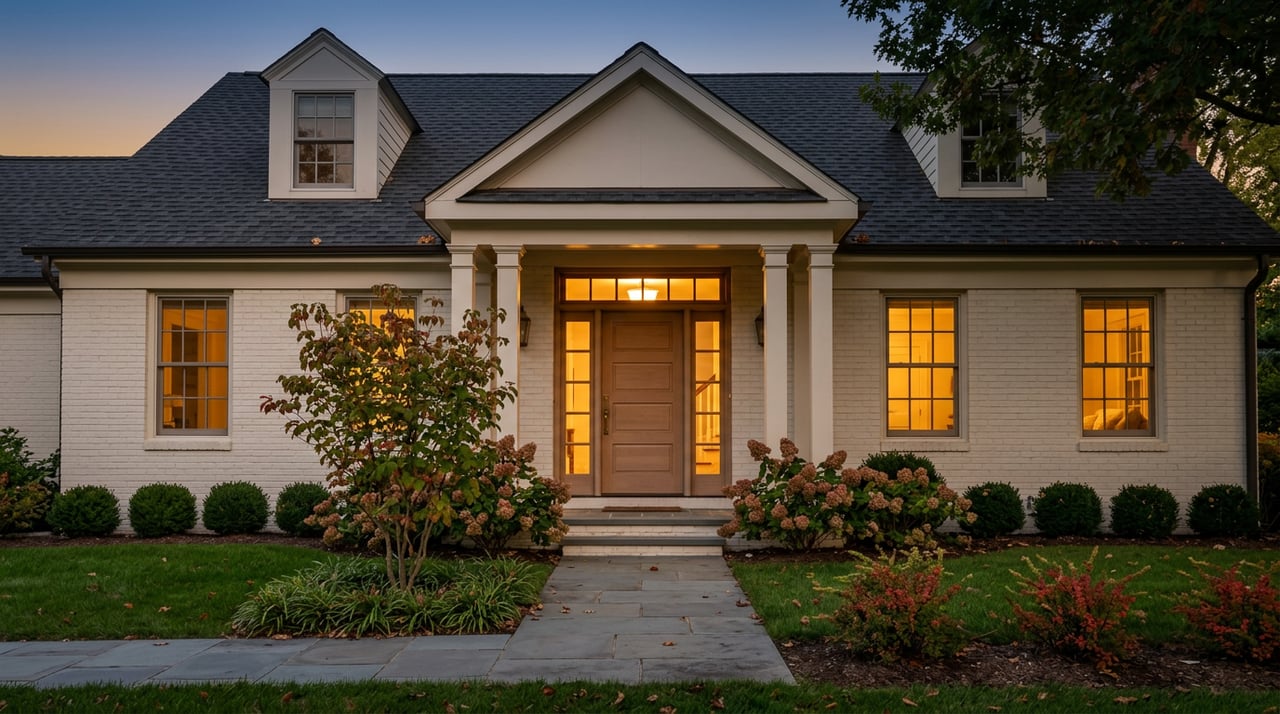
One of Media’s biggest strengths is how varied its housing stock is. The borough says the oldest structures date to the 18th century, and the local housing mix includes brick or stone Victorians, arts-and-crafts bungalows, ranch homes, Cape Cod homes, apartment housing, and newer homes.
That variety gives buyers real choices, but it also means you should compare homes carefully. Two listings at a similar price point may offer very different lot sizes, parking setups, storage, yard depth, and update needs.
The borough’s zoning program uses a Hybrid Form-Based Code for residential zones, and officials say the update was designed to better match existing neighborhood patterns. In practical terms, house scale, lot width, yard depth, and building coverage are all part of the conversation in Media.
Parking and Lot Questions to Ask
In Media, parking is not a small detail. It can shape your daily experience just as much as square footage or finishes.
The borough says general meter parking permits do not apply in Zone 1, which includes State Street and one block north and south. It also notes that vehicles parked in the residential district are ticketed aggressively, which makes it especially important to understand the parking setup before you buy.
As you compare homes, ask questions like:
- Is there off-street parking?
- How easy is curb access on this block?
- What does guest parking look like?
- Is the home near a more managed in-town parking area?
- Does the lot provide enough flexibility for your household’s needs?
These questions matter even more in a borough where the street pattern is historic, compact, and already built out.
Media’s Market Context
Media’s appeal shows up in the numbers. The 2024 ACS profile lists a median value of owner-occupied homes at $467,800, compared with $332,200 for Delaware County overall.
That premium reflects what many buyers already sense on the ground. Media offers a distinctive mix of walkability, transit, historic character, and established housing in a small borough with limited land for new development.
For you as a buyer, that means clarity matters. The more clearly you define your must-haves around location, parking, housing style, and commute, the easier it becomes to identify the right part of Media.
A Simple Way to Narrow It Down
If you are overwhelmed by choices, keep your search focused on four quality-of-life questions. In Media, these often tell you more than broad neighborhood labels.
Ask yourself:
- How much of daily life do you want to do on foot?
- How important is off-street or low-stress parking?
- Would you rather back up to green space or be closer to shops and activity?
- Is your routine built more around train access or car access?
Those answers usually point you toward the right part of the borough. Once that is clear, the home search becomes much more efficient.
Choosing the right Media neighborhood is really about matching the block to your lifestyle, not just the address to your budget. If you want help comparing in-town homes, park-side streets, or commute-friendly edges, Gary Scheivert offers hands-on local guidance backed by decades of experience in Media and surrounding communities.
FAQs
What is the most walkable part of Media for homebuyers?
- The blocks closest to State Street are generally the most walkable because State Street is the borough’s main shopping, dining, and event area, with many everyday destinations nearby.
What should buyers know about parking in Media Borough?
- Parking can vary a lot by block, especially near State Street, where Zone 1 rules apply and off-street parking, guest parking, and curb access can make a big difference in daily convenience.
What parts of Media are best for access to parks?
- Homes near Glen Providence Park, Heritage Park, Philip Green Park, Manchester Park, Barrall Community Park, and Dimond Park may offer easier access to green space while still being within the borough.
Is Media a good choice for commuters to Philadelphia?
- Media offers several commute options, including the Media/Wawa Regional Rail line, Route 101 trolley service, and access to I-476 and Baltimore Pike for drivers.
What types of homes can buyers expect in Media?
- Media has a varied housing stock that includes Victorian homes, bungalows, ranch homes, Cape Cod homes, apartment housing, and newer homes, so buyers can find a range of styles within a small area.