If your weekdays already feel like a relay race of commuting, school pickup, errands, and dinner plans, where you live matters more than ever. Devon offers a version of suburban life that feels established, practical, and family-friendly without trying to be everything at once. If you are wondering what everyday life here really looks like, this guide will walk you through the rhythms of getting around, spending time outdoors, managing errands, and understanding the local housing mix. Let’s dive in.
Devon at a Glance
Devon is part of Easttown Township in Chester County, where current township planning materials highlight how roads, parks, sidewalks, trails, zoning, infrastructure, and historic resources all shape daily life together. That matters because Devon does not feel like a brand-new planned suburb or a dense town center. It feels established, leafy, and centered on neighborhood-scale living.
Easttown’s 2025 open-space update says about 70% of the township is residential, and almost all of that is single-family housing. The result is a community pattern that many busy suburban families recognize right away: homes on quieter residential streets, daily routines that often involve a car, and activity clustered around a few key destinations.
The latest ACS profile adds more context. Devon has 1,806 residents, a median age of 47.7, a mean travel time to work of 28.7 minutes, a median household income of $219,063, and a median owner-occupied home value of $761,000. In plain terms, Devon reads as a mature suburban market where routines often revolve around work schedules, school calendars, and planned family time.
Commuting in Devon
For many households, one of the biggest daily questions is simple: how hard is it to get where you need to go? In Devon, the answer is usually a mix of train access and regular car travel. That hybrid pattern is one of the clearest parts of everyday life here.
SEPTA supports regional travel
Devon Station is on SEPTA’s Paoli/Thorndale Line at 1 N. Devon Blvd. The line connects the western Main Line with Center City, which gives commuters a rail option for trips into Philadelphia and nearby communities along the route.
For some households, nearby stations on the same corridor also add flexibility because they connect with Amtrak Keystone Service. That can be useful if your travel goes beyond the local SEPTA network or if work occasionally takes you farther west or into the city.
Roads still shape the day
At the same time, Devon is not a fully walk-everywhere community. DVRPC’s Devon Station Multimodal Access Study notes that the station area has an inconsistent sidewalk network, challenging intersections and driveways, and limited bicycle facilities.
That helps explain why many families experience Devon as a car-and-train suburb rather than a purely transit-first one. You may walk in certain pockets or for specific outings, but most daily schedules still depend on driving for at least part of the day.
Easttown Township’s road map reinforces that point. Lancaster Avenue, Devon State Road, Route 252, Waterloo Avenue, and Waterloo Road are all state-maintained roads, and they help organize local movement in a very practical way. Day-to-day life often follows those familiar corridors instead of a tight grid of short walkable blocks.
Errands and Dining in Devon
Busy families tend to return to the same few places over and over, especially when they can combine errands, shopping, and a meal in one trip. In Devon, that pattern centers strongly on the Route 30 corridor.
Lancaster Avenue is the core
Easttown’s land-use planning identifies the Route 30, or Lancaster Avenue, corridor as the township’s commercial, service, and retail core. That makes it the natural place for after-school pickups, quick shopping runs, casual dinners, and the kind of stacked errands that save time during a busy week.
Instead of spreading activity evenly across every part of town, Devon concentrates much of that practical day-to-day convenience along this corridor. For families, that can make routines feel more efficient and predictable.
Devon Yard stands out for family use
One of the clearest examples is Devon Yard. According to Terrain, the site includes five freestanding buildings on six acres with a home store, greenhouse, nursery, garden gear, and a cafe.
Terrain Cafe at Devon Yard serves seasonally inspired brunch and dinner, offers a Little Sprouts menu, and accommodates group dining. That combination makes it more than a one-purpose stop. It can work for a casual family meal, a quick browse, or a planned outing that does not require a full day of logistics.
Community Traditions That Feel Local
Some places have amenities. Others also have traditions that anchor the calendar. In Devon, the Devon Horse Show is one of those long-running community reference points.
The Devon Horse Show is part of the rhythm
The Devon Horse Show grounds sit directly across from Devon Station, and the event has been held in Devon since 1896. Even if you are not deeply involved in equestrian events, the show is part of the area’s identity and seasonal rhythm.
The Country Fair, created in 1919 to raise money for Bryn Mawr Hospital, adds another layer of family appeal with activities built around fun and community participation. That history helps explain why the horse show feels broader than a niche sporting event. For many residents, it is simply part of what living in Devon means.
Parks and Outdoor Time
When your week is packed, easy outdoor options matter. Devon offers a few practical choices that can fit into real family schedules instead of requiring a major production.
Hilltop Park fits everyday routines
Hilltop Park, located behind the Easttown Township Building in Devon, includes two athletic fields, a picnic area, walking trails, a tot-lot, bathrooms, and a paved walking path of about 0.55 miles. It is the kind of local park that works well for a quick stop after school, a short walk before dinner, or a weekend reset.
The park also hosts the township’s summer day camp in July. For families thinking ahead to school-break planning, that is a useful detail because it ties recreation directly into real scheduling needs.
Jenkins Arboretum offers a low-key outing
Jenkins Arboretum & Gardens at 631 Berwyn Baptist Road is free and open year-round. That makes it an easy option when you want a walk, a change of scenery, or a simple outdoor break without extra cost or heavy planning.
For busy households, places like this often become part of the routine because they are flexible. You can stop by for a quick stroll or build it into a more relaxed weekend outing.
The Chester Valley Trail adds range
The Chester Valley Trail is 18.6 miles long, paved, and ADA-accessible. It is used for commuting, exercise, and recreation by walkers, joggers, cyclists, and people with strollers.
For Devon residents, proximity to that regional trail network adds another layer to everyday life. It gives you a practical outlet for weekend bike rides, dog walks, exercise, or fresh air without needing a major destination trip.
Housing in Devon
If you are considering a move, the housing mix is one of the most important pieces of the puzzle. Devon’s housing pattern is fairly consistent with what many people expect from an established Main Line community.
Single-family homes define the area
Easttown’s 2025 open-space update says about 70% of the township is residential and nearly all of that is single-family housing. An earlier township comprehensive plan adds that single-family detached homes made up about 75% of Easttown’s 3,859 housing units.
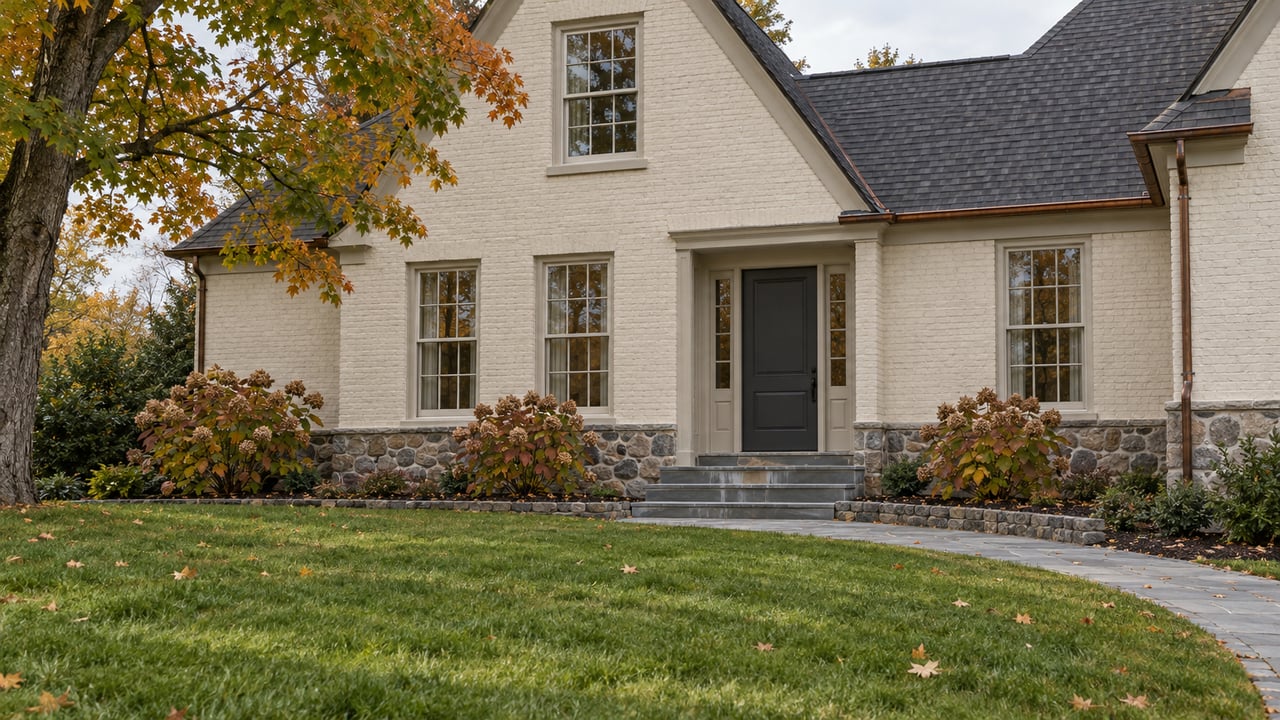
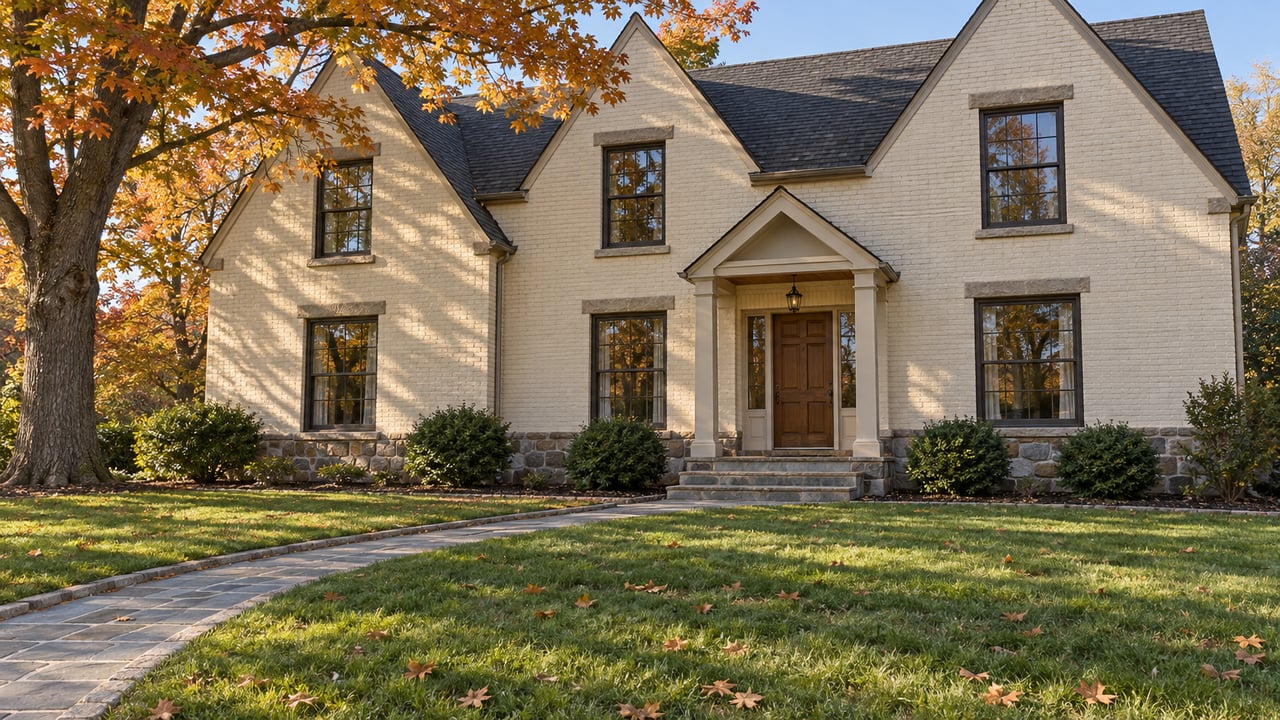
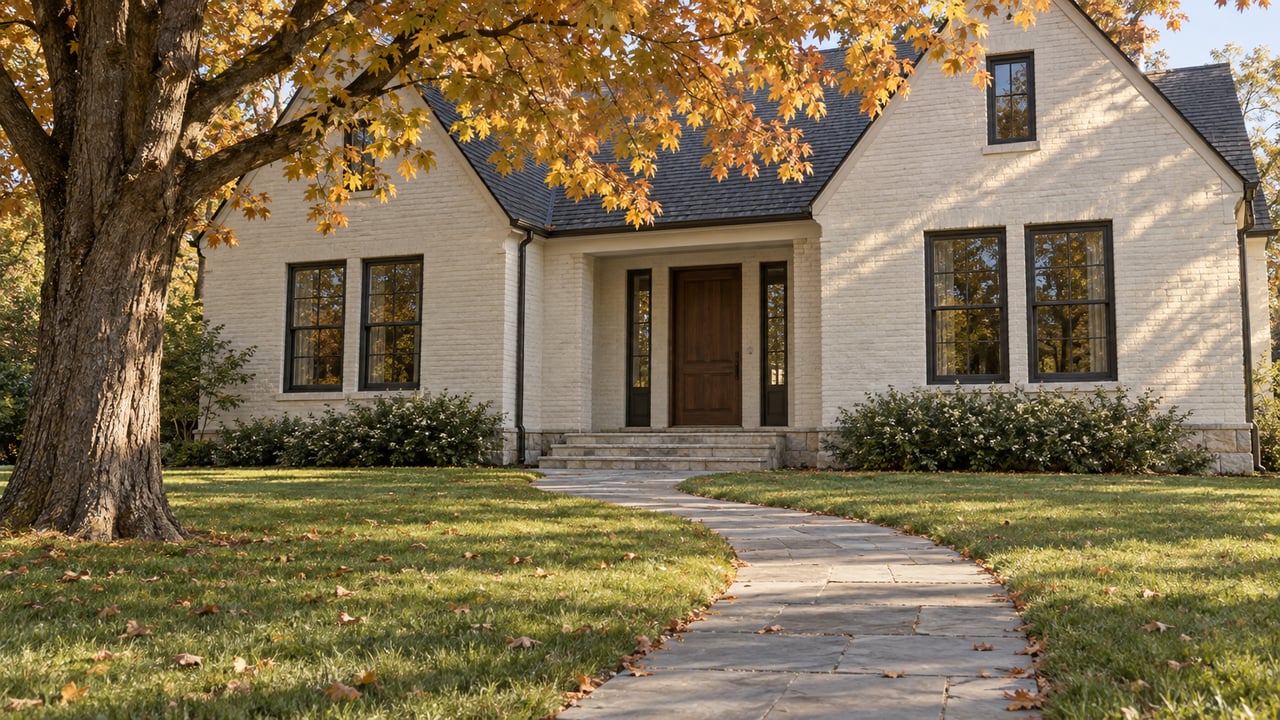
That helps explain why Devon feels primarily residential and why detached homes shape so much of its visual character. If you are looking for classic suburban streets, mature landscaping, and a neighborhood setting that leans heavily toward single-family properties, Devon fits that picture.
Lower-maintenance options exist in select areas
The same township planning materials note that townhouses, condominiums, and apartment units were concentrated along the Route 30 or Lancaster Avenue corridor. Current zoning in the Devon Center Overlay District also includes townhouse, duplex, and twin-home forms.
In practical terms, that suggests a housing pattern where lower-maintenance options are more likely to appear near the commercial corridor and station area, while detached homes remain dominant across the broader neighborhood fabric. For buyers, that creates a useful range of choices depending on your priorities around maintenance, commute, and access to daily conveniences.
What Everyday Life in Devon Really Feels Like
Devon tends to work best for people who want an established suburban setting with a strong single-family foundation, practical regional access, and a handful of reliable destinations that support busy schedules. It is not trying to be a dense, fully walkable downtown. Instead, it offers a more measured rhythm shaped by commuting, planned outings, local parks, and the familiar convenience of Lancaster Avenue.
That balance is exactly what appeals to many households. You get train access, important road connections, everyday shopping and dining, outdoor options that fit real life, and a housing mix led by detached homes with some lower-maintenance choices nearby. For many busy suburban families, that combination feels both manageable and lasting.
If you are weighing a move to Devon or comparing it with other Main Line-adjacent communities, local context matters. The right fit often comes down to how your daily routine lines up with the housing stock, commute pattern, and pace of the neighborhood. If you want experienced, hands-on guidance as you sort through those details, Gary Scheivert can help you evaluate Devon with a practical, informed perspective.
FAQs
Is Devon, PA a good fit for busy suburban families?
- Devon can be a strong fit if you want an established suburban setting with mostly single-family homes, access to SEPTA rail service, practical road connections, local parks, and a retail corridor that supports errands and dining.
What is commuting like from Devon, PA?
- Commuting in Devon is typically a mix of train and car travel. Devon Station is on SEPTA’s Paoli/Thorndale Line, while major roads like Lancaster Avenue, Route 252, and Waterloo Road continue to shape everyday travel.
Are there parks and outdoor activities near Devon, PA?
- Yes. Hilltop Park offers fields, trails, a tot-lot, bathrooms, and a paved walking path, while Jenkins Arboretum & Gardens is free and open year-round. The nearby Chester Valley Trail adds a longer regional option for walking, running, and biking.
What kinds of homes are common in Devon, PA?
- Devon is primarily a single-family home market. Township planning materials show detached homes dominate the housing stock, while townhouses, condos, and similar lower-maintenance options are more concentrated near the Lancaster Avenue corridor.
Where do residents in Devon, PA handle shopping and dining?
- Much of the day-to-day shopping, services, and dining activity centers on the Route 30 or Lancaster Avenue corridor. Devon Yard is one of the best-known examples, combining retail and dining in one place.
What is the overall lifestyle in Devon, PA like?
- Everyday life in Devon is shaped by commuting, school-year routines, planned outings, neighborhood-scale residential streets, and easy access to parks, local traditions, and corridor-based shopping and dining.