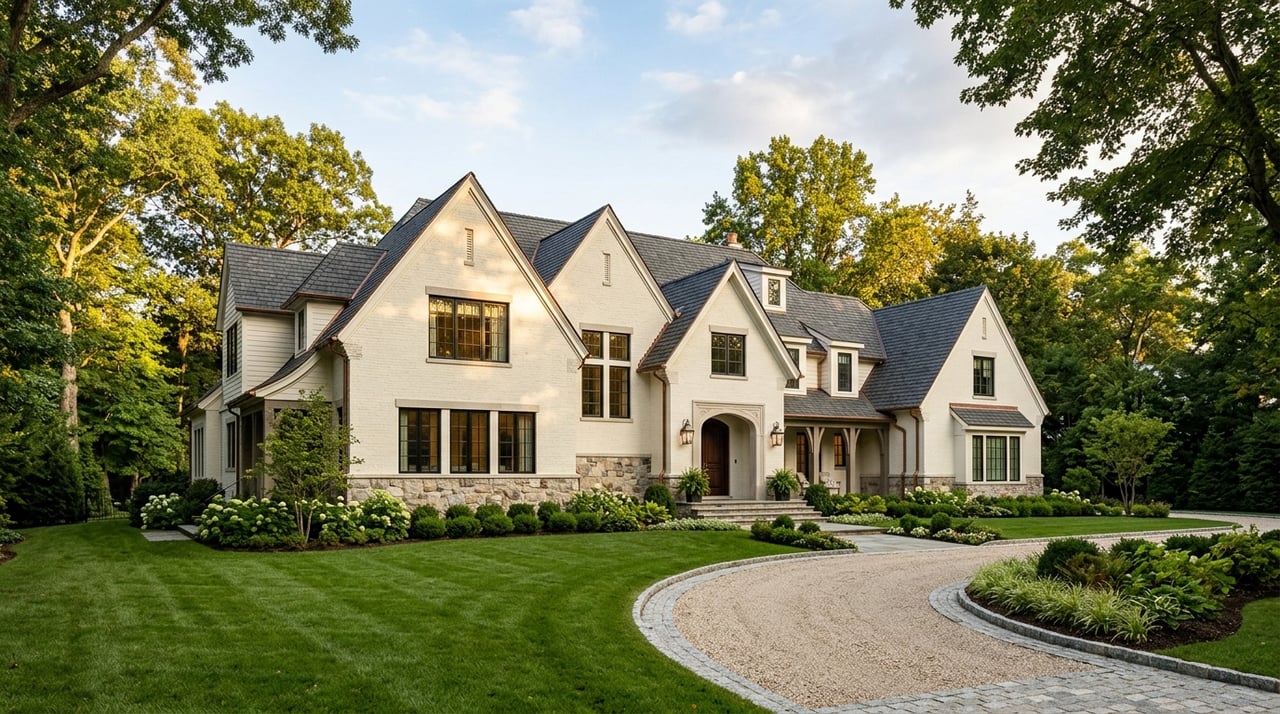
Thinking about building a custom home in Unionville? The exciting part is easy to picture. The hard part is knowing whether the land, approvals, utilities, and timeline will actually support the home you want. If you understand the local process before you buy, you can avoid expensive surprises and make smarter decisions from day one. Let’s dive in.
Start with the site, not the floor plan
Before you fall in love with a design, make sure the lot can support it. In the Unionville area, that means looking closely at Center Township rules, not just the listing details.
Center Township maintains its own zoning map and zoning ordinance. It also has separate rules and applications related to subdivision and land development, sewage disposal, stormwater management, floodprone areas, road occupancy, driveway registration, and building codes. In practical terms, a custom build is not just about buying land. It is about confirming what the township will allow on that specific parcel.
Check what the lot allows now and later
A lot may look perfect on paper and still come with limits that affect your plans. You need to confirm more than whether a single home is permitted.
Center Township’s zoning framework includes residential, commercial, industrial, overlay, conditional use, and planned residential categories. For a custom home buyer, the key question is how those rules affect your current plans and future flexibility, including accessory buildings, pools, additions, and possible lot changes later on.
Questions to ask early
- Is a single-family home allowed on the parcel under current zoning?
- Are detached garages, barns, or other accessory structures allowed?
- Can you add a pool later?
- Are there setback, lot coverage, or height limits that could affect the design?
- If your plans change, would you need conditional use approval or zoning relief?
Do not rely on tax maps as surveys
One of the biggest mistakes land buyers make is assuming county mapping tells the whole story. It does not.
Butler County states that assessment web maps are for tax-assessment purposes only and are not certified surveys. The county also notes that property transfers happen by legal description, not by parcel number. That means boundaries, access points, and buildable areas should be verified through proper due diligence, not guessed from an online map.
What that means for you
If you are seriously considering a parcel, it is wise to involve a Pennsylvania-registered engineer or surveyor early. Butler County’s simple subdivision guidance points buyers to the municipality or county first to discuss process and timing, then to the appropriate licensed professionals.
Utilities can reshape your budget
Raw land often looks more affordable at first glance. Then water and sewage questions show up and change the numbers.
In Pennsylvania, private homeowner wells are not regulated by the state, and there are no statewide construction or siting standards for private wells. The Pennsylvania Department of Environmental Protection says well owners are responsible for water safety and testing, and licensed drillers are required. For sewage, DEP’s Act 537 program governs sewage planning and permitting, and Center Township’s application list includes both on-lot sewage paperwork and sanitary sewer connection paperwork.
That matters because utility availability needs to be checked parcel by parcel. One lot may have a straightforward public connection. Another may require septic testing, additional planning, and more site work than expected.
Utility questions worth answering before you buy
- Is the parcel served by public sewer, on-lot sewage, or some combination nearby?
- Is water public, private well, or uncertain at this stage?
- If a well is needed, who will handle drilling and testing?
- If septic is needed, what approvals and site testing will be required?
- Have township forms or sewage-related requirements already been started by the seller or developer?
Access and stormwater are major design issues
Buyers often focus on the house itself and underestimate what it takes to reach it and manage the site. In Unionville, access and drainage need attention early.
Center Township’s ordinances include driveway registration, driveway drainage, road occupancy, stormwater management, and floodprone-area rules. Butler County also maintains county-wide stormwater planning resources. These are not minor technicalities. They can affect where you place the home, how the driveway is designed, how much grading is needed, and how much engineering work is required before construction begins.
If the lot will require digging, Pennsylvania 811 says to call before excavation and wait at least three business days. That is one small example of why site preparation should be treated as a real phase of the project, not an afterthought.
Site conditions that deserve a closer look
- Road frontage and access point options
- Need for township or state road permits
- Drainage patterns across the lot
- Floodprone-area restrictions
- Easements that affect placement of the home or driveway
- Stormwater requirements tied to the amount of disturbed ground
Raw land versus a finished lot
Not every custom-home path starts from the same place. In many cases, your first big decision is whether to buy raw land or choose a build-to-suit lot in a recorded subdivision.
A build-to-suit or recorded subdivision lot usually offers more certainty because much of the entitlement work has already been addressed. In Center Township and Butler County, that can mean fewer unknowns around subdivision review, sewage modules, and stormwater standards.
Raw land can still be the right fit if you want acreage, privacy, flexibility in home placement, or a very specific layout. But it usually requires more patience, more coordination, and more contingency in your budget and timeline.
Quick comparison
| Option | Potential upside | Common challenges |
|---|---|---|
| Build-to-suit or recorded lot | More certainty, fewer open approval questions, often a clearer path to construction | Less flexibility in siting or lot features |
| Raw land | More privacy, acreage, and design freedom | More due diligence, more approvals, and higher risk of added site costs |
The lower purchase price of raw land does not always mean a lower total project cost. Surveying, septic suitability testing, utility coordination, driveway design, stormwater engineering, and plan revisions can add up quickly.
Budget for more than land and construction
A custom build budget should include the parts buyers do not always see coming. The lot price and the builder’s estimate are only part of the picture.
Construction financing is worth discussing early. Construction loans are usually short-term loans that fund work in draws as construction progresses. They often carry higher rates than long-term mortgages and may require later conversion to permanent financing. Payments can begin within a window of roughly six to 24 months after the loan is made.
That structure is why it helps to budget for carrying costs, draw schedules, and a contingency reserve. If approvals, weather, or site work cause delays, you want breathing room in your plan.
Costs buyers often underestimate
- Surveying and engineering
- Septic testing or sewer connection work
- Well drilling and water testing
- Driveway and access improvements
- Stormwater design and installation
- Permit and application fees
- Holding costs during approvals and construction
- Contingency funds for site surprises
Ask builders very specific questions
Choosing the right builder is about more than style and pricing. You also want clarity on process, scope, and responsibility.
Builder interviews should be specific and documented. Useful topics include recent references, financing plans, customization limits, added fees, restrictive covenants, estimated taxes, landscaping scope, and warranty coverage. Warranty terms vary, but it is common to see different coverage periods for workmanship, systems, and major structural defects.
A detailed conversation early can help you compare builders on more than surface-level impressions. It can also uncover gaps between what you assume is included and what is actually in the contract.
Smart builder interview topics
- How much customization is realistically allowed?
- What site work is included, and what is excluded?
- How are allowances handled?
- What fees could be added later?
- What approvals need to be complete before construction financing can close?
- What does the warranty cover, and for how long?
Focus on feasibility first
The biggest mindset shift for custom-home buyers is simple. In Unionville, success depends less on inspiration and more on feasibility work.
The local review path is clear. Center Township records show that zoning, subdivision, sewage, stormwater, access, and related approvals are all formal parts of the process. If you solve those questions before you commit, you put yourself in a much stronger position to build with confidence.
For many buyers, that means comparing the freedom of raw land against the reduced uncertainty of a finished lot. Neither option is automatically better. The right choice depends on how much flexibility you want, how much complexity you are comfortable managing, and how much contingency you have built into your plan.
If you are weighing land, a custom build, or a finished lot and want practical guidance from someone who understands both the real estate side and the building side, Gary Scheivert can help you think through the details with a steady, experienced approach.
FAQs
What should you verify before buying land in Unionville for a custom home?
- You should verify zoning, legal description, utility availability, sewage options, access requirements, stormwater rules, and any floodprone-area or easement limitations before moving forward.
How does Center Township affect a custom home project near Unionville?
- Center Township maintains local zoning, subdivision, sewage, stormwater, driveway, road occupancy, floodprone-area, and building-related rules, so township requirements can directly affect whether and how you can build.
Is raw land or a finished lot better for building a custom home in Unionville?
- A finished lot usually offers more certainty because more approvals and planning work may already be addressed, while raw land can offer more flexibility but often comes with more unknowns, more site work, and more risk of added costs.
Why are water and sewage so important when building in Unionville?
- Water and sewage can significantly affect both feasibility and cost because some parcels may involve public connections while others may require private well planning, on-lot sewage review, testing, and added approvals.
What professionals should you contact before building on land in Butler County?
- Butler County guidance points buyers to start with the municipality or county to discuss process and timing, then work with a Pennsylvania-registered engineer or surveyor, and, when on-lot sewage is involved, coordinate with the sewage enforcement officer.
What financing issue should custom-home buyers plan for in Unionville?
- You should plan for the structure of construction financing, including draw schedules, possible higher rates than a long-term mortgage, potential conversion to permanent financing, and carrying costs during the build.